
Snack Smarter
What’s Wrong With Reusing Cooking Oil Anyways?
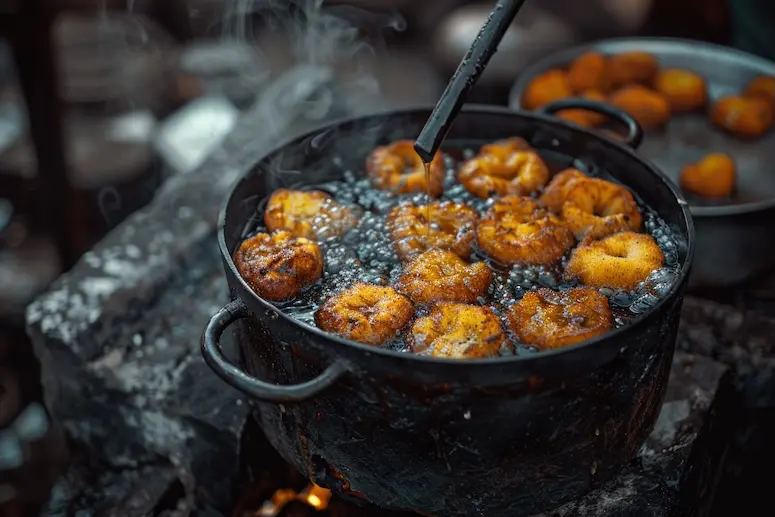
It’s tempting to re-use cooking oil, especially when it comes to deep frying. Well, you aren’t alone – according to a study, approximately 60% of used cooking oil in India re-enters the food chain. After all, it seems like such a waste to throw away oil after just one lot of frying – but should we be reusing that oil?
Each cycle of heating degrades the oil’s chemical composition, which in turn leads to the formation of toxic compounds such as trans fatty acids (TFAs), free radicals, adehydes, etc. The sum measurement of all the degraded and altered substances created in cooking oils when they are exposed to high heat and oxygen is called Total Polar Compounds or TPCs (the point to remember here is that TPC counts just some of the toxic compounds and not all). These toxic compounds can initiate or accelerate heart disorders, hypertension, liver complications, type 2 diabetes, cancer etc.
A recent study in rats also suggests a potential connection between the long-term consumption of reheated cooking oils and increased neuro-degeneration. In another short-term study, rats given reused oil showed liver damage within just two weeks.
As per ICMR guidelines, cooking oil should not be reused more than two to three times. This of course is a guideline for the maximum number of times it should be used – ideally, it should be used only once. Fresh, unused cooking oil consists of non-polar molecules and has a Total Polar Compounds (or TPC) level close to zero. Each time it is heated, the number of TPCs increase.
The FSSAI has set a clear limit for Total Polar Compounds (TPCs) in cooking oil. Specifically, oil is considered harmful when its TPC content exceeds 25 percent. Beyond this threshold, the vegetable oil becomes unfit for human consumption. While this may be possible to implement at home, but commercial is a whole different ballgame. According to a survey of 2,333 street-vendors in Tamil Nadu, in 2021, 64% said they “topped up used oil with fresh oil”, around 9% said they reused the same oil continuously until it was “exhausted”, and about 4% of the surveyed vendors mentioned that they buy their oil from hotels, restaurants and big snack shops.
Not only is deep fried food best avoided (remember that viral article “How a Rs 20 samosa habit can lead to a Rs 3 lakh angioplasty), but apart from consuming excessive oil you also need to make sure that the oil used is the right kind.
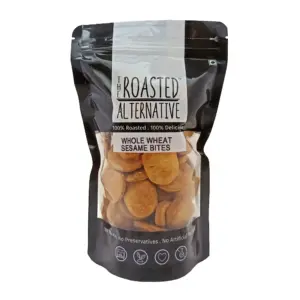

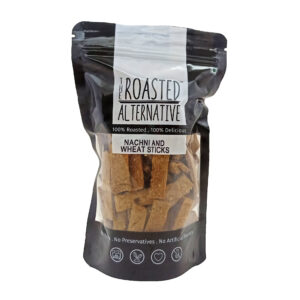
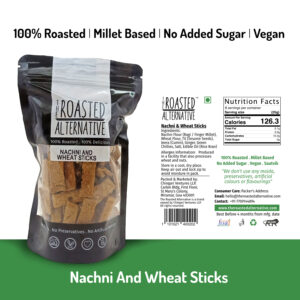
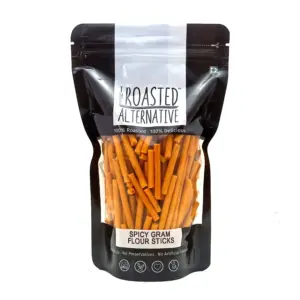
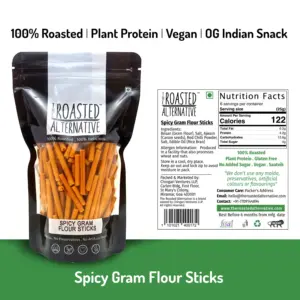
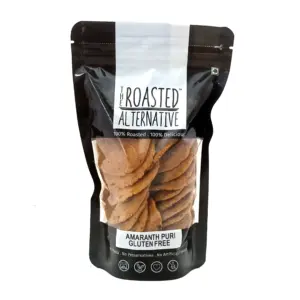
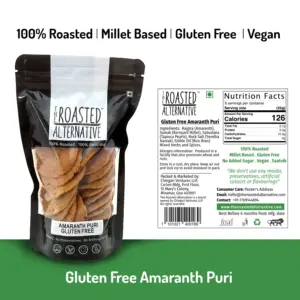


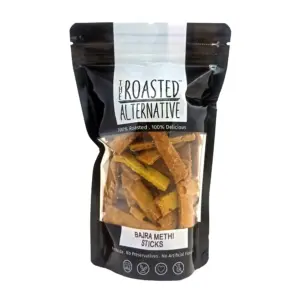
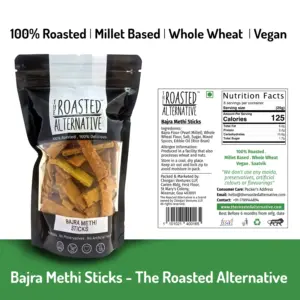
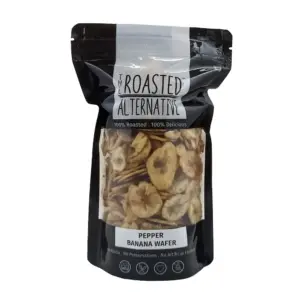
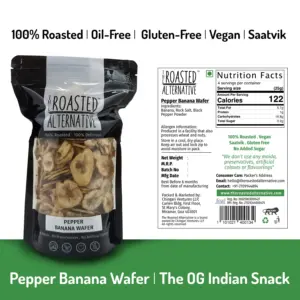
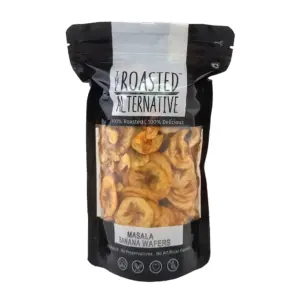
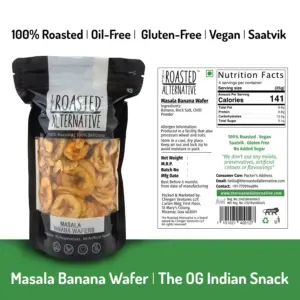
The good news is that enjoying your favourite Indian snacks doesn’t have to mean compromising on your health. At The Roasted Alternative, we’ve taken many of the snacks you love and reimagined them using roasting instead of deep frying.
And because our snacks are roasted rather than deep fried, they avoid one of the biggest concerns associated with traditional fried snacks – the repeated heating and reuse of cooking oil. Moreover, roasting uses considerably less oil than frying which ensures you consume less oil.
Now, we’re not saying you should never enjoy the occasional freshly made pakora or a fried treat. After all, food is an important part of our culture and celebrations. But for the snacks we reach for every day – at work, while travelling, or during an evening tea break – choosing a roasted alternative can be a simple step towards healthier eating.
Sometimes, the smartest health decisions aren’t about giving up the foods you love. They’re about choosing better versions of them.
Delve Deeper
Kumar I, Dhingra B. A review on health risks associated with the repetitive use of cooking oil and dissuasive ways. Int J Food Nutr Diet. 2025;13(1):109-115.
Frequently reusing frying oil may accelerate brain damage [MedicalNewsToday]The Effects of Giving Reused Cooking Oil 1,5 mL/day for 14 Days on Male Rattus norvegicus Liver Histopathology [Medula]How many times can deep-fried oil be reused safely? [Indian Express]A study on street vendors usage, consumption, and awareness of reused cooking oils in Tamil Nadu [CAG]60% of used cooking oil finds its way back into food stream, says study [Money Control]How a Rs 20 samosa habit can lead to a Rs 3 lakh angioplasty [Times of India]
